
Believe it or not, I started composting before I was gardening. Composting used to be such a foreign concept for me, and my family never did it when I was growing up. I remember always being interested in living a more eco-friendly lifestyle. As a young mom, I watched “No Impact Man,” a documentary that follows a man and his family while they challenge themselves to live in ways that reduce or eliminate their impact on the environment. Motherhood created more urgency around “saving the planet” and I was obsessed with finding things I could do in my day-to-day life that would make a difference. In the documentary, they create a worm bin and compost food scraps in their tiny NYC apartment. I, however, started composting in the backyard of my apartment building. The gardening came after. Once you figure out how to make good soil, you want to use it.
Composting is a practice that reduces household waste, reduces the amount of methane gas released into the atmosphere, and creates a soil amendment that improves soil health and vitality. Improving soil quality is an incredible tool to growing a successful vegetable garden, composting at home is a simple way to accomplish all of these amazing benefits. Even better, you can get started with composting at a very low cost! The barriers to getting started are easy to overcome.
My home composting setup doesn’t have any expensive tumbling drums or containers. Many folks find these types of composters useful when they’re trying to keep rats or other rodents and wildlife out of their rotting kitchen scraps. These contraptions can be expensive and difficult to use, heavy when full and difficult to turn. They also need worms added to them in order to properly break down the organic material. I have never used one, but if you think it would be useful for your composting situation, I recommend reading reviews and doing extensive research before making a purchase.
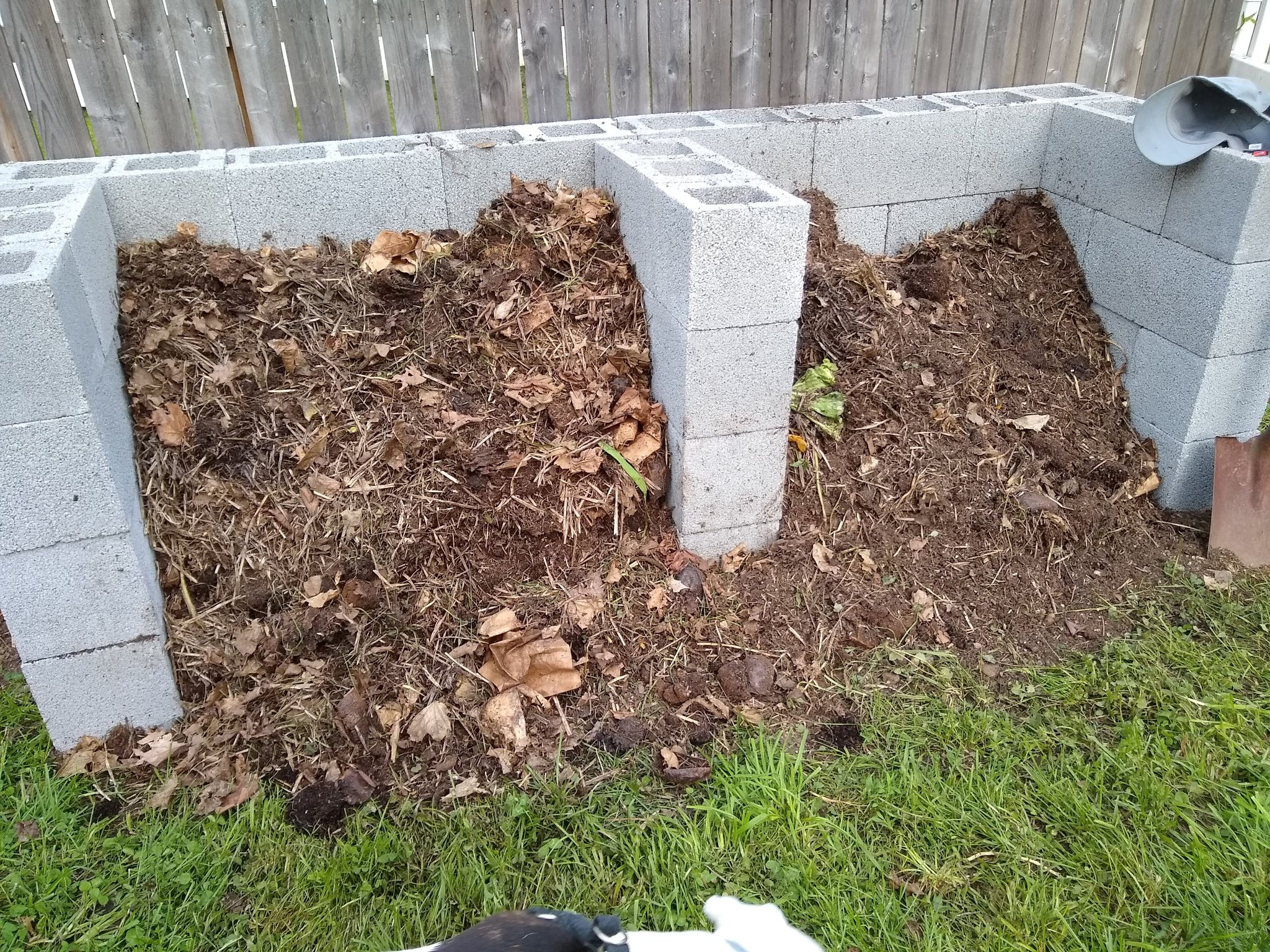
I built a corral with 2 sections out of concrete blocks. I also use a large garbage can with the bottom removed. I have a 3 year-system. Allowing the compost to properly breakdown before it’s sifted and added to the garden. I prefer to use the Bio-intensive method of composting, which includes direct contact with soil and “cold composting” which means the pile doesn’t heat up to the point of killing organisms or weed seeds. Hot composting has its uses, and there are some great resources out there. Many commercial composting facilities use hot composting and can process extensive amounts of organic material and food scraps.
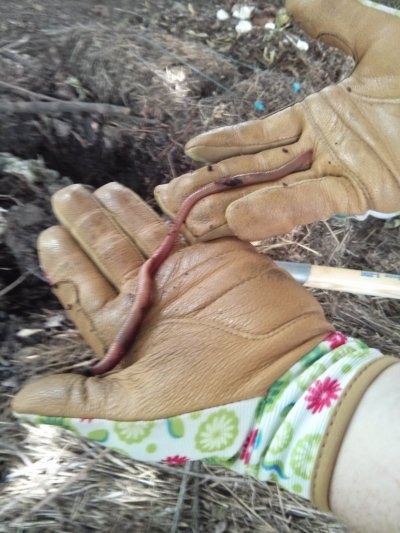
I compost all year, throughout the winter, and I don’t find that it takes much effort to manage. We keep a 5 gallon bucket with a screw-on lid in our kitchen. For a family of 4, it’s usually full in about 2-3 weeks depending on what we’re eating. Large items like watermelon rind and corn cobs get chopped up into large chunks (or just thrown directly in the pile outside). Coffee grounds, tea bags, all vegetable/fruit scraps, and eggshells also get put in the compost pile. I don’t compost meat, bones, or dairy.
I turn the piles once or twice a year. I usually use a shovel and digging fork. I have a large mesh sifter that I use to sift finished compost into my wheel barrow, and it can be quite the workout! You can typically tell when compost is ready to sift when there are no recognizable food items and it smells sweet and earthy. Any larger chunks go back into the compost to continue decomposing. If there is a lot of slime, bad odor, or food chunks it needs more time to break down. Turning the pile a bit and adding brown leaves, dry straw, or pine wood shavings can help the process along. Egg shells typically take longer to break down than most other food scraps. I just break these up a bit while turning, or I’ll crush them slightly when adding them to our pile.
The compost routine I use usually has 2 piles breaking down while 1 is the pile we’re adding to. I also add garden plant debris, wood chips and pine shavings, and fallen leaves from my neighbors yard. The goal is to have a “balanced” pile. When we dump our kitchen bucket into the pile, we sprinkle some garden soil over the top. This helps reduce flies and bad smells, in addition, it inoculates the food scraps with soil microorganisms and bacteria to kick start the process of decomposition. Once the pile is “full,” we stop adding scraps to it and let it sit for around 6 months without turning. I will typically cover it with dry plant material. I will usually let it sit all winter and then turn it over in the spring. We will also use that time to turn the other piles and sift out finished compost. It usually takes about 2 years for my compost to be ready for sifting and placed in the garden. I’ve found that after year 1 the pile shrinks significantly, and can be turned in spring, then sometimes sifted as early as fall that same year. It depends on environmental factors such as moisture level, insect and bacterial activity, and what you’re adding to your pile.
This system has allowed our household to divert over 200 pounds per year of food waste from the landfill. We’re just 1 family! Imagine having this on a larger, community level scale!
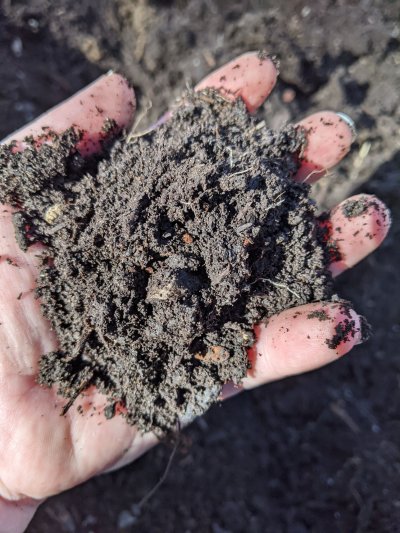
If you’re looking for a free soil amendment that reduces greenhouse gas emissions, start a compost pile! For help with your composting questions, please feel free to reach out to the Ilion Community Garden or CCE Herkimer County!
By Amanda Norton, CCE Herkimer County Master Gardener
Article published October 21, 2026