
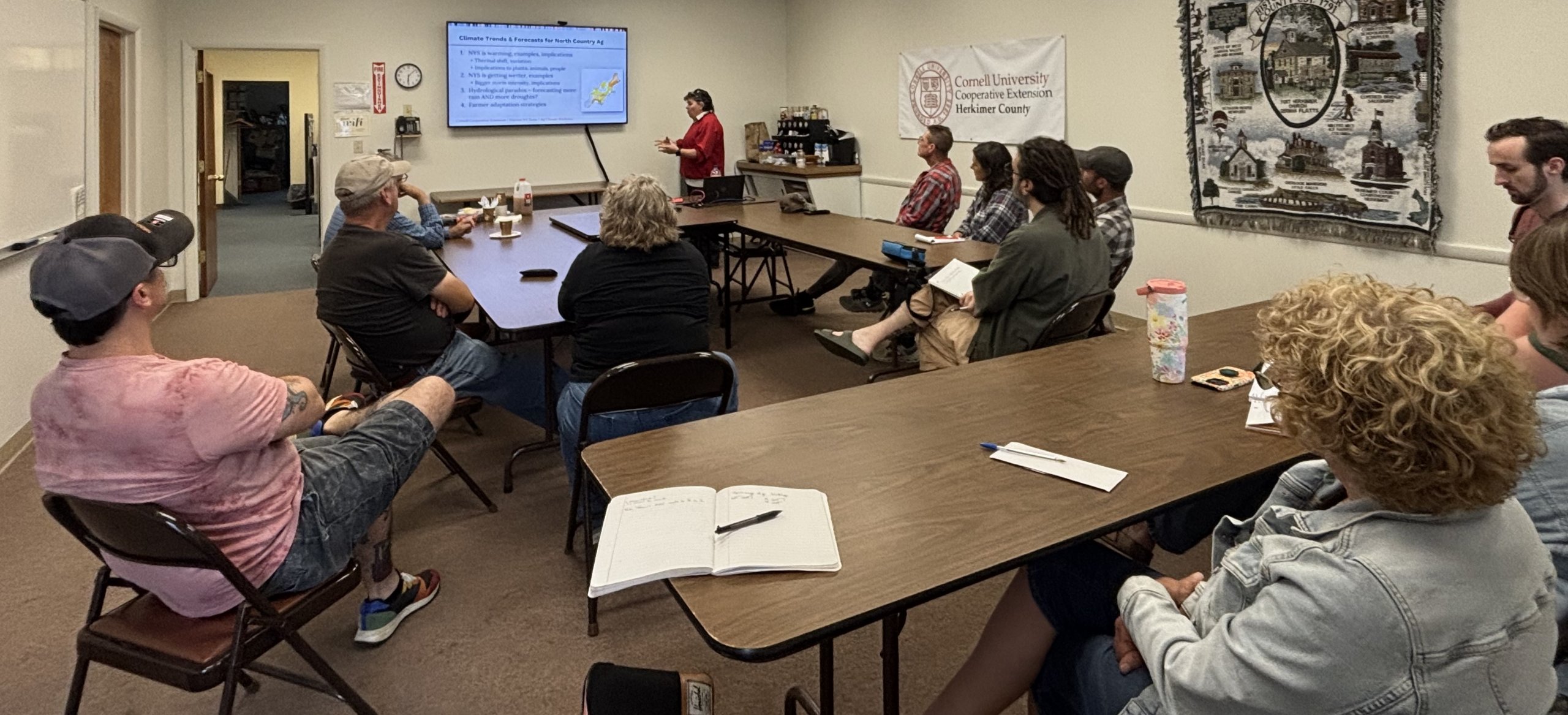
On July 22nd, 2026, Cornell Cooperative Extension Herkimer County hosted a Resilient Ag in the Mohawk Valley Workshop. The speaker was Dr. Kitty O’Neil, Cornell Cooperative Extension Harvest New York Agricultural Climate Resiliency Specialist.
Dr. O’Neil has “an extensive background in climate smart farming; Her goal is to improve productivity and resiliency across the state through smart farm and business management with keen attention to climate-related risks to land, farms, crop, and animal production and long-term soil health. She is a member of the Cornell Climate Smart Farming Extension Team and the Agriculture and Climate Change Program Work Team. Her current research projects focus on impacts of soil compaction to crop yields and soil function.
She previously served as the Cornell Cooperative Extension Regional Field Crops and Soils Specialist in Northern NY. After growing up on a successful family dairy farm in Cayuga County, NY, she went on to receive a B.S. in Animal Science from Cornell University, her M.S. in Animal Nutrition and Plant Biochemistry from Michigan State University (MSU), and her Ph.D. in Sustainable Plant and Soil Cropping Systems from MSU. Dr. O’Neil is also a Certified Crop Adviser.
Prior to working with Cooperative Extension, Dr. O’Neil spent several years working at MSU researching potato cropping systems, studying impacts of crop rotations, soil amendments, and cover crops on soil health and biophysics on potato farms.” See her full bio by clicking here.
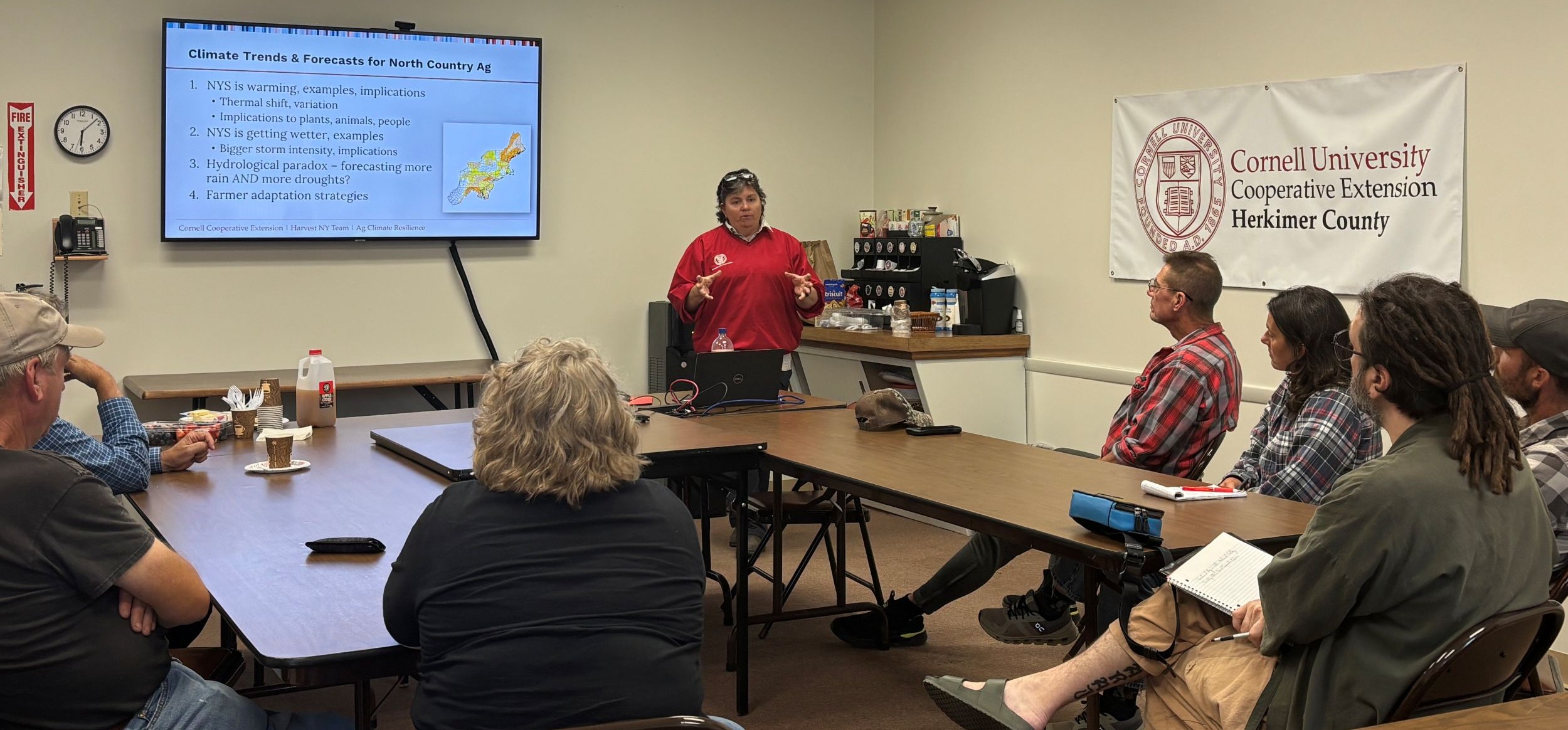
Needless to say, Dr. O’Neil was the perfect speaker to conduct the workshop at CCE Herkimer. Our focus was to help gardeners and farmers grow healthy, thriving gardens through practical planning and management strategies that address climate-related risks, promote plant health, and build long-term soil vitality.
Fifteen participants attended the informative workshop from Herkimer County and neighboring counties. The room was full of farmers and gardeners ready to explore how they can be proactive and better adapt their practices to our changing climate.
Many may have already noticed we are seeing increasingly unpredictable growing conditions in Herkimer County; extremely wet springs that can quickly shift into dry, hot summers with prolonged stretches of heat and inconsistent rainfall. It is affecting soil health, planting timelines, pest pressures, and overall crop success for both home gardeners and farmers.
As NYS is getting warmer and wetter, we need to be thinking about how we can work with the shifts. Dr. O’Neil pointed out the current hydrological paradox where Herkimer County is getting a greater amount of precipitation and more short-term droughts. How can both be true at the same time? Dr. O’Neil explained how despite increased precipitation and bigger storms, there isn’t enough increase in soil water to compensate for increased potential evapotranspiration (PET) demands caused by warmer temperatures. Potential evapotranspiration represents the amount of water that would be evaporated and transpired by a specific crop, soil, or ecosystem if there was sufficient water available.
When we receive large amounts of rainfall in a short span of time, the soil does not retain the water. Soil water deficits lead to more frequent short-term droughts. This is a great example of why we are seeing “weather whiplash.”
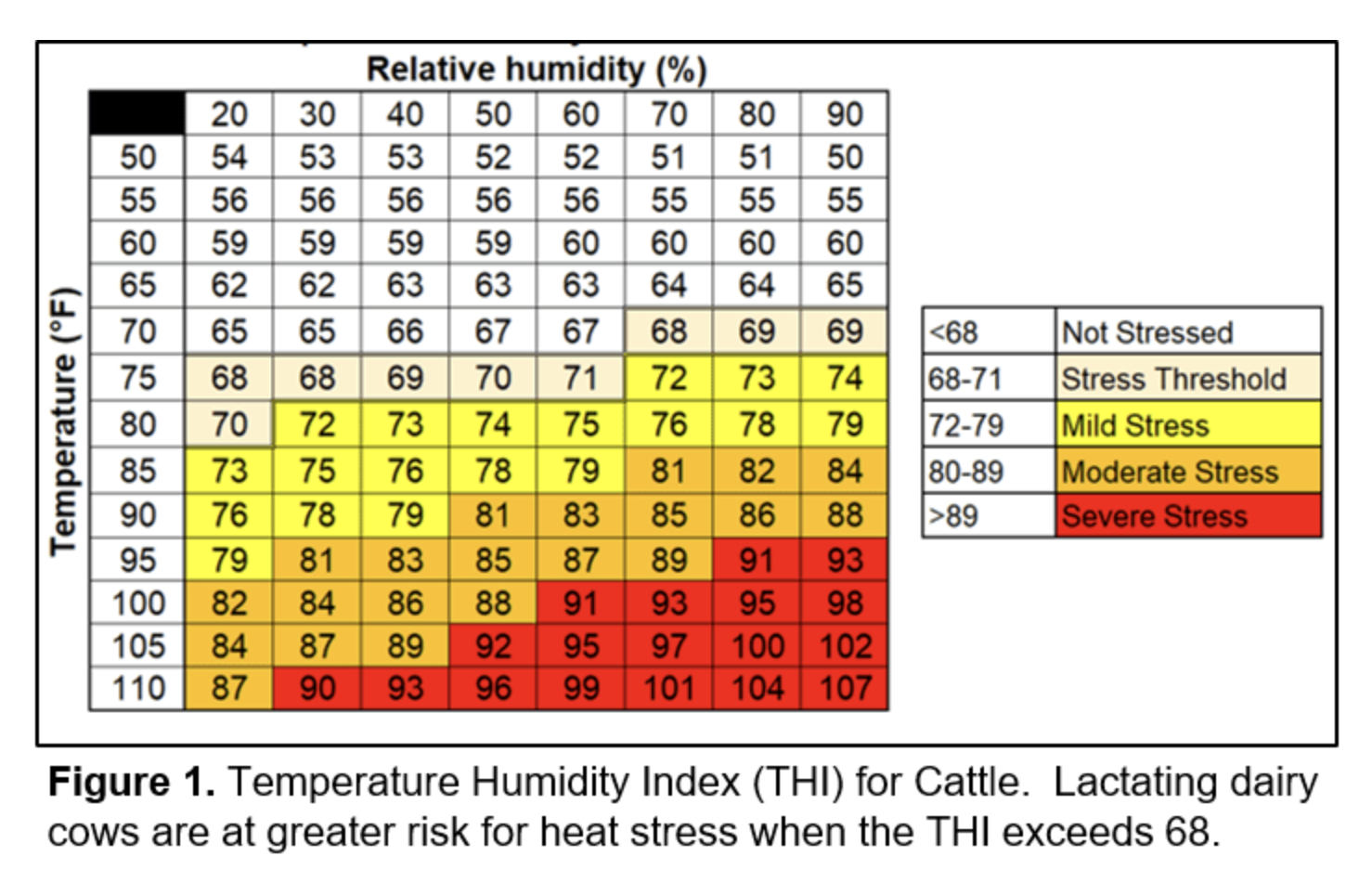
The workshop also focused on adaptation strategies. As climate conditions continue to shift, gardeners and farmers can improve resilience by combining protective infrastructure with healthy soil and efficient water management. Controlled environments such as high tunnels and hoop houses help shield high-value crops from frosts, heavy rain, and wind, while practices like reducing tillage, planting cover crops, and adding organic amendments build soil health, improve water infiltration, and increase water-holding capacity.
These approaches reduce surface ponding and saturation while enhancing drought tolerance. Additional strategies include using precision or drip irrigation, developing water catchments, ponds, and drainage systems, selecting heat- and pest-tolerant crop varieties, and adjusting planting dates. The most effective solutions will depend on available capital, labor, and local growing conditions.
Understanding these trends and strategies helps gardeners, farmers, residents, and municipalities make informed decisions that reduce climate-related risks and adapt to changing weather conditions in ways that best fit their local needs and resources.
In my experience with disaster relief, the communities that bounce back the quickest are the ones that are proactive from the beginning. The ones who are building mindfully and factoring in the “what ifs,” or in the case of our shifting weather patterns, “what now?”
Here is a list of climate adaptation and mitigation tools Dr. O’Neil shared with participants:
Climate Smart Farming Tools
NEWA Tools
NRCC’s CHAMP Tool
Northeast Regional Climate Center
The US Climate Resilience Toolkit
The USDA Adaptation Resources for Agriculture Workbook
Dr. O’Neil’s full presentation may be viewed on CCE Herkimer’s website here.
Alexandra Tamburro, CCE Herkimer County
Article published August 20, 2026.
