Spring Gardening: Seed Catalogs and Planning Your Garden

Looking outside at the blowing snow and icy conditions, it is hard to imagine that spring will ever come. Yet spring is just six weeks away, which means it’s time to begin preparing for the garden season. One of the first—and most enjoyable—tasks is paging through seed catalogs and selecting crops for the coming year.

It’s easy to get lost in the beautiful photographs and enticing descriptions of all the plants you could grow. To stay focused and get the best results, we recommend following these steps when shopping for seeds:
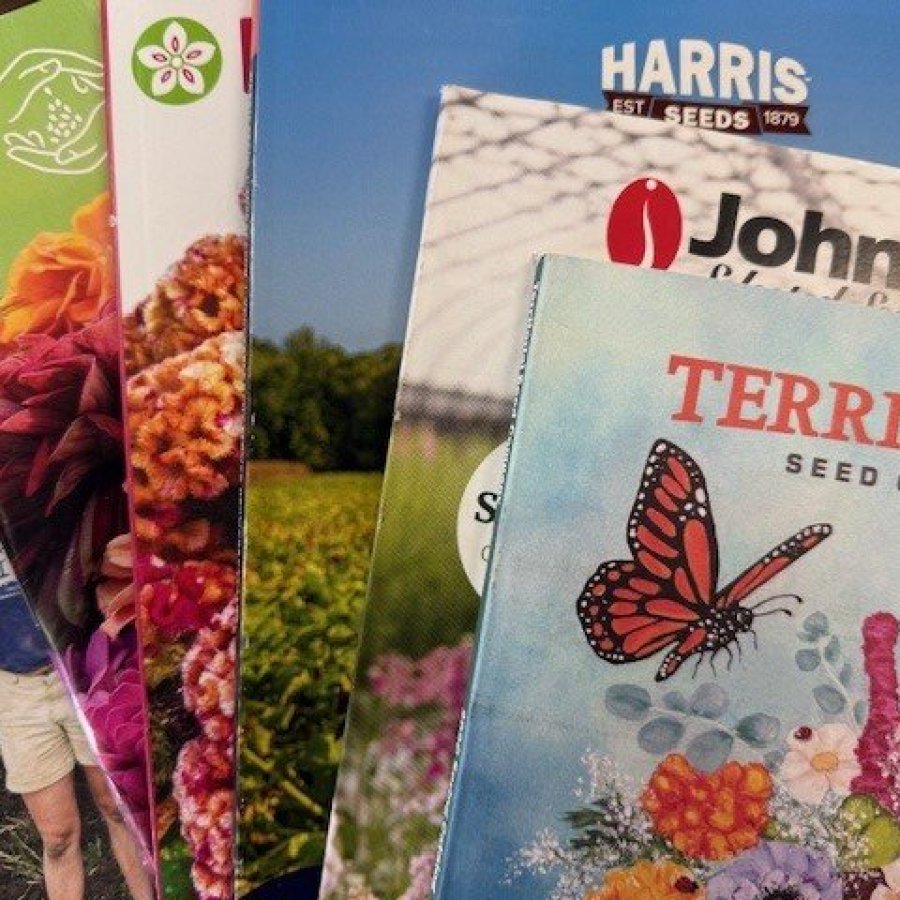
seed catalogs fanned out
  • Choose vendors carefully. Select seed companies that offer varieties well suited to our region and that align with your gardening philosophy. Seed companies based in the Northeast or upstate New York are more likely to carry varieties adapted to our climate. You’ll also notice that companies often have a particular focus—such as organic production, heirloom varieties, or a wide selection of unique vegetables. Choose vendors that match your interests and provide quality seed.
  • Start with a garden plan. Sketch out your garden space before selecting varieties. Seed descriptions provide critical information, including days from planting to harvest—especially important in our short growing season. Matching crops and varieties to your available space and season length will improve your success.
  • Use seed catalogs as reference tools. Both print and online catalogs often include valuable growing information, such as crop-specific planting instructions, spacing, and cultivation tips. Some also offer interactive planting calendars that can help with succession planting, allowing you to maximize harvests throughout the season.
  • Choose regionally appropriate and disease-resistant varieties. Avoid varieties that are poorly suited to our climate or lack resistance to common diseases. For example, tomatoes in this area are susceptible to several blight-related diseases, so selecting resistant varieties can make a big difference.

Remember, seed catalogs are tools—not garden plans. Used thoughtfully, they can help you make smart choices and become a more successful gardener this season.